
Commercial Cleaning · East Coast, North America
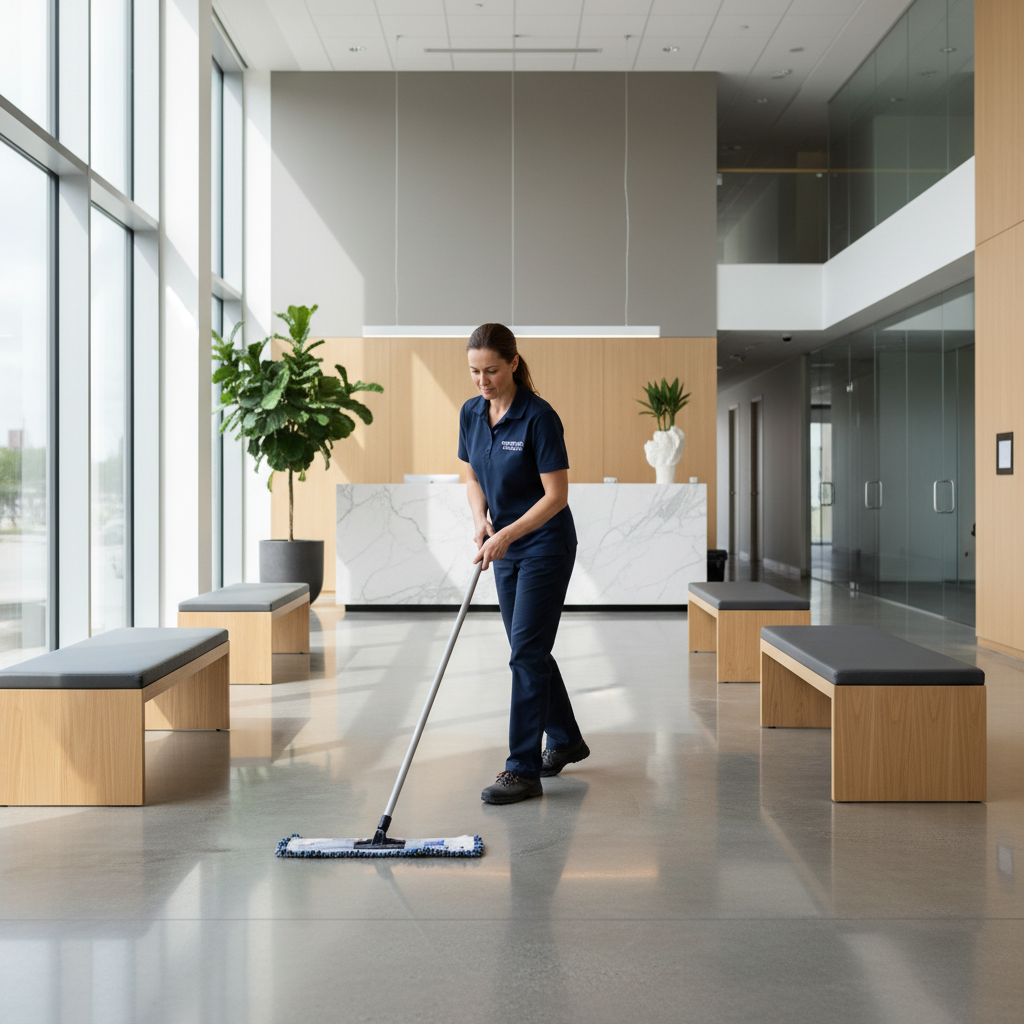
A family-owned commercial cleaning company on the East Coast came to FitFirst in a position that will feel familiar to many operators. The business was running, but not in a way that was sustainable.
Hiring decisions were based on interviews and résumés that looked right in the moment but didn’t hold up once people were on the job. Turnover was high. Performance was inconsistent. Client relationships were under pressure. The owners were pulled into the day-to-day, not by choice, but because the business required constant intervention.
At the time, turnover was sitting at 111 percent. New hires would interview well, then fail to show up or struggle to meet expectations. Work had to be redone. Complaints were frequent. Margins were thin enough that a single issue could have real consequences.
Turnover at time of engagement
The issue wasn’t effort. It was alignment.
Candidates looked capable on paper. Interviews reinforced that view. But there was no clear way to understand how someone would actually show up in the realities of the work.
The shift began by changing what the hiring process was designed to do.
Instead of screening for experience and hoping for performance, the process was rebuilt to make fit visible early, for both the company and the candidate. Applicants moved through a structured online experience that went beyond standard application fields. Open-ended questions surfaced how people approached work, their standards, and how they handled responsibility in less supervised environments.
At the same time, the role itself was presented clearly and honestly. The work was described as physical, demanding, and often solitary. This wasn’t softened or repositioned. The goal was not to attract more candidates, but to help the right people opt in and the wrong people opt out.
“We were trying to find persnickety people with a distaste for dirt and disarray.”
That clarity changed the quality of the candidate pool almost immediately.
The company also broadened how it defined potential candidates. Instead of focusing only on people who identified as cleaners, roles were framed around how people preferred to work. Options like “Weekend Warrior” and “Student Special” attracted individuals aligned to schedule, structure, and expectations, even if they had never considered the industry before.
From there, the hiring process introduced more structured insight into decision-making. Beyond what could be seen in a résumé or heard in an interview, the company began evaluating signals related to reliability, integrity, and work ethic, alongside communication style, motivation, and temperament.
This made it possible to answer a more important question: not just whether someone could do the job, but whether they were likely to do it well and stay.
The impact was both immediate and sustained.
Before
After
Turnover dropped from 111 percent to approximately 20 percent, a level rarely seen in the industry. Productivity increased by 50 percent, allowing the business to take on more work without increasing headcount. Customer turnover declined to nearly zero, and client complaints dropped to the point where they were no longer a constant concern.
As the team stabilized, other changes followed. Employees worked more consistently and with fewer conflicts. Clients saw familiar faces and built relationships with staff. The quality of work improved, reducing the need for rework and protecting margins.
Raised prices with no client pushback
“We were able to raise our prices with no pushback from clients. Unbelievable in a world where business was won and lost on pennies. Having better people separated us from our competitors overnight.”
The operational impact was significant, but so was the personal one:
“I was able to find staff with work ethic, integrity, reliability and attention to detail who stayed with us long term. I started taking vacations and having a home life. I stopped getting phone calls that weren’t during regular business hours.”
“Staff saw the efforts and bought in. We changed the culture of our business and the hiring portal became part of our brand.”
“We clearly defined who was an all-star candidate, and had a process to identify them.”
“When we expanded our search beyond someone who self-labeled as a cleaner, to attracting quality people that fit our culture, the whole game changed for us.”
What changed in this business wasn’t just the hiring process. It was how decisions about people were made.
When hiring starts with credentials, performance is uncertain and turnover becomes a cost of doing business. When hiring starts with fit, people understand the work before they enter it, employers make decisions with clearer signals, and teams become more stable over time.
The result is not just better hiring outcomes, but a more resilient business overall.
What changed